
Understanding Warts: Causes, Transmission, and Treatment Options
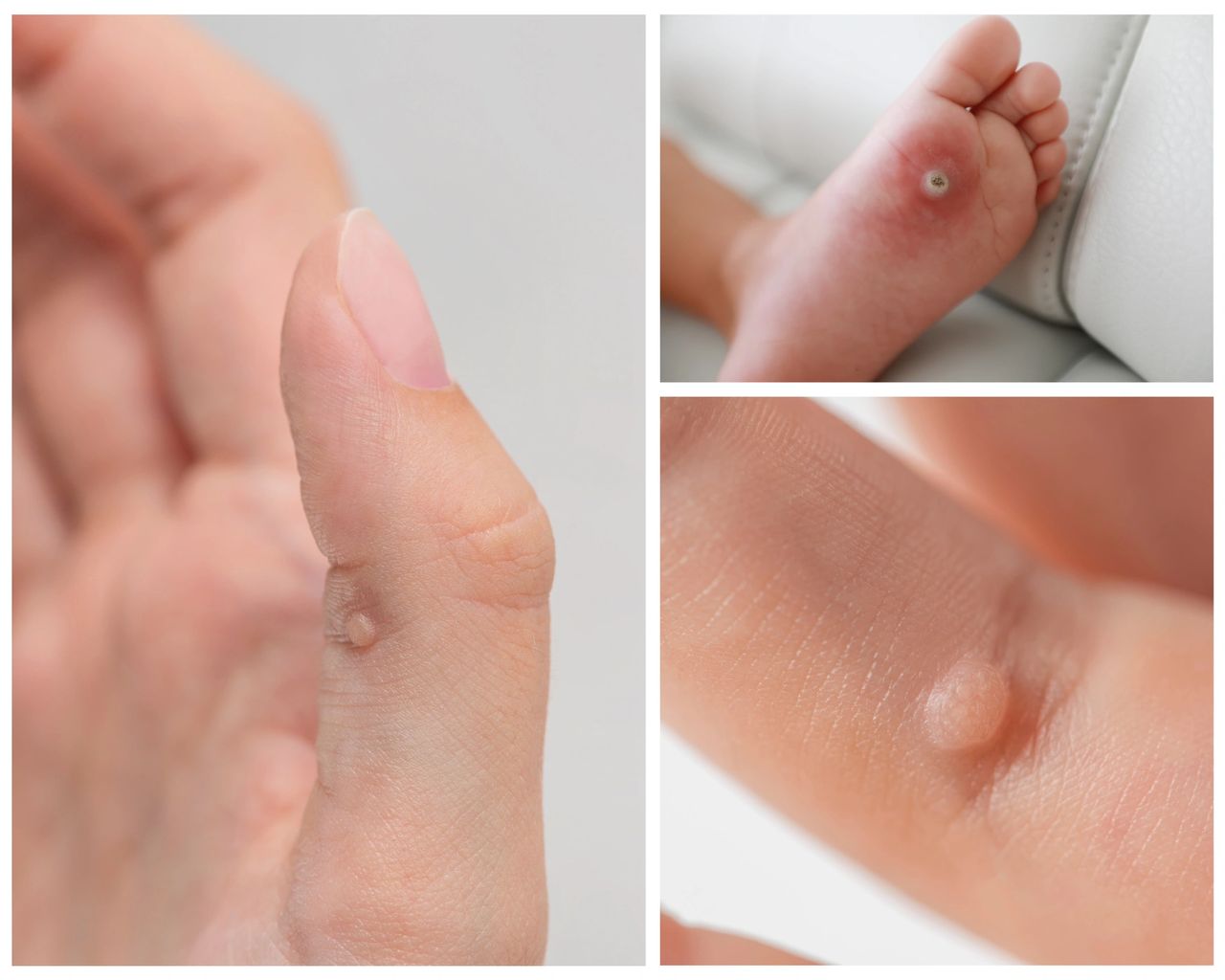
Warts are small, benign growths that can appear on various parts of the skin. Caused by the human papillomavirus (HPV), these growths are a common dermatological issue. While warts can manifest anywhere on the skin, they are most frequently observed on the hands, feet, and knees. Understanding how warts spread and the available treatment options can help you manage this skin condition effectively.
Types of Warts
Warts come in various forms, each with its unique characteristics and preferred locations on the body. The most common types include:
- Common Warts: Usually found on fingers and toes, these warts are characterized by their rough, grainy appearance. They can also have a cauliflower-like texture and may contain one or more tiny black dots, which are clotted blood vessels.
- Plantar Warts: These warts appear on the soles of the feet and can be quite painful due to the pressure exerted when walking. Unlike other warts, plantar warts grow into the skin, not out of it.
- Flat Warts: Typically found on the face, arms, or legs, flat warts are smoother and smaller than other types. They often appear in large numbers, up to 100 at a time.
- Filiform Warts: These warts often appear around the mouth, nose, or chin and have a thread-like appearance. They can grow quickly and are often the same color as the skin.
Understanding the different types of warts is crucial for effective treatment, as each type may respond differently to various treatment methods.
How Do Warts Spread?
Warts are highly contagious and can easily spread through direct skin-to-skin contact. For instance, shaking hands with someone who has a wart on their hand can transmit the virus. Moreover, warts can also spread through indirect contact. Using towels, razors, or other personal items that have been in contact with a wart can lead to transmission.
Risk Factors
Certain individuals are more susceptible to warts than others. Children and teenagers, for example, are at a higher risk due to their still-developing immune systems. Additionally, people with compromised immune systems are also more likely to develop warts. Frequent use of public showers or swimming pools can also increase the risk of contracting the virus.
Prevention Strategies
Prevention is always better than cure. Simple hygiene practices can go a long way in preventing warts. Always wear footwear in public showers and avoid direct contact with warts, either from other people or from surfaces that could be contaminated. Regular handwashing and the use of hand sanitizers can also help in reducing the risk.
Treatment Options
Managing warts effectively requires a multi-faceted approach. Over-the-counter treatments often include gels, liquids, and pads containing salicylic acid, which work by peeling away the dead skin cells of the wart to gradually dissolve it. For more stubborn or larger warts, stronger treatments may be necessary. These can include:
- Cryotherapy: This involves freezing the wart using liquid nitrogen. The treatment is quick but may require multiple sessions. It's essential to note that cryotherapy can cause skin irritation and sometimes result in a blister.
- Electrosurgery: This method burns the wart and is often used in conjunction with curettage, which involves scraping the wart away. This method is generally used for common warts and plantar warts.
- Laser Treatment: This is often used for warts that are difficult to remove by other methods. The laser targets the blood vessels inside the wart, effectively killing it. However, laser treatment can be expensive and cause scarring.
Consulting with a Board-Certified Dermatologist
For any skin concern, consulting with a board-certified dermatologist is crucial for an accurate diagnosis and effective treatment plan. Dermatologists can provide a range of treatments that are more potent than over-the-counter options. They can also guide you through the latest advancements in wart treatment, ensuring that you receive the most effective care possible.
Stay Informed and Connected
Knowledge is your best defense against warts. Stay updated on the latest research and treatment options by following reputable medical journals and websites. Moreover, consider joining forums or social media groups focused on skin health to learn from others' experiences and advice.
Schedule a Visit with a Board-Certified Dermatologist
To schedule a visit with a Board Certified Dermatologist, visit Derm Clinic Website. Patients in the Phoenix, Arizona area can book an appointment with Dr. Yoon Cohen, who is dedicated to educating the public on dermatologic issues, the importance of board-certified dermatologists, and the benefits of direct pay dermatology.
Citations
- American Academy of Dermatology
- Journal of Clinical and Aesthetic Dermatology
- Journal of the American Academy of Dermatology
- WebMD, Written by Karyn Repinski
Ready to see Dr. Cohen? Call us at 480-944-5096 to schedule your appointment at our Scottsdale office.