
Moles vs. Skin Tags: Deciphering Your Skin's Mysteries
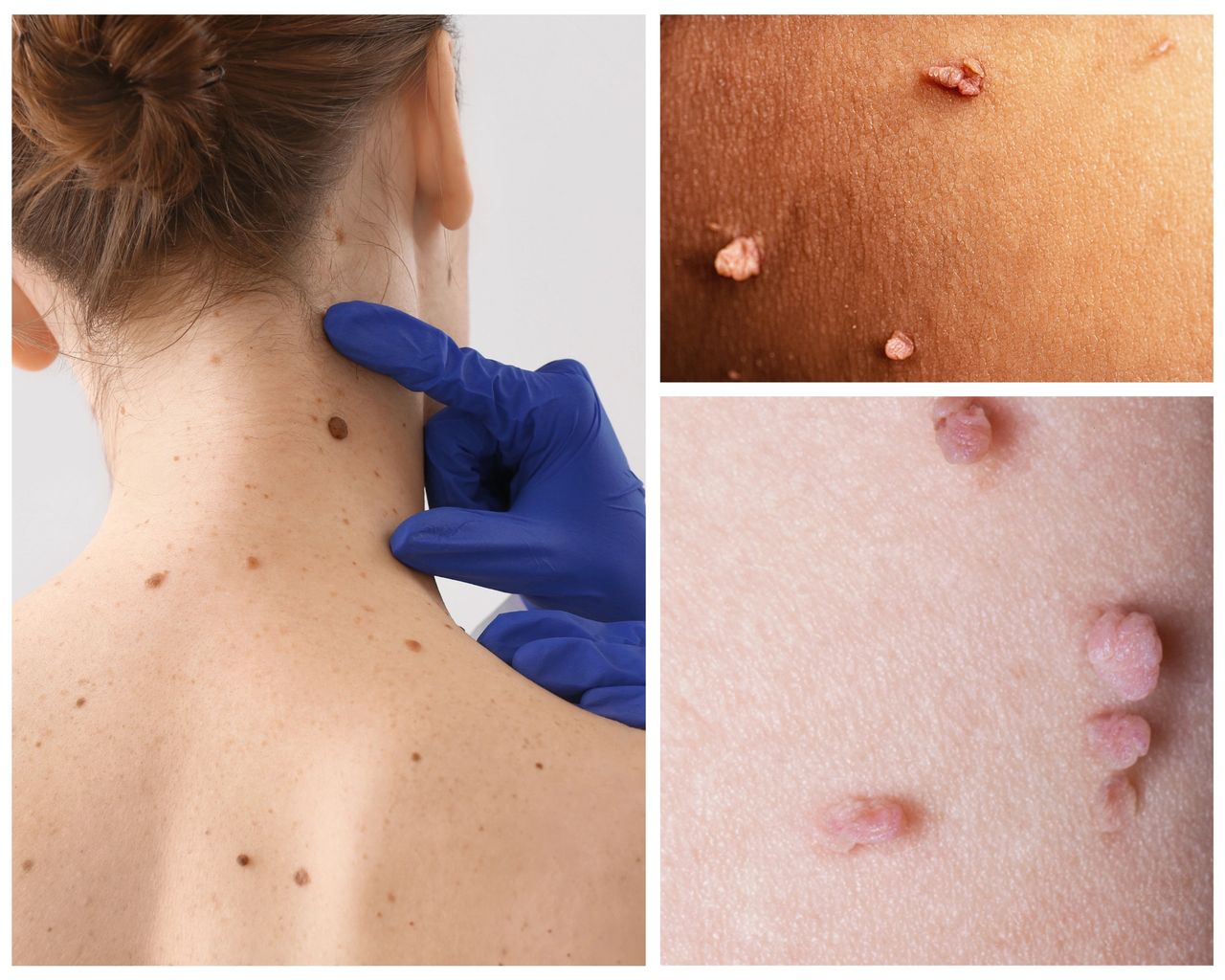
In the world of skin health, confusion often reigns supreme. Many of us turn to Dr. Google, trying to self-diagnose unusual skin growths. This leads to a common dilemma: is it a mole or a skin tag? Understanding the difference is crucial, and that's where the expertise of a board-certified dermatologist like Dr. Yoon Cohen of the Skin Clinic in Scottsdale, Arizona, becomes invaluable.
The Dilemma of Diagnosis
While both moles and skin tags are common skin growths, they have distinct characteristics and implications. Patients often come to the clinic with a preconceived notion of their condition, sometimes based on internet searches, leading to confusion about the actual diagnosis. It is essential to refer to these growths correctly, whether as moles, skin tags, lesions, or unknowns, to ensure proper treatment.
Moles: More Than Meets the Eye
Moles are collections of melanocytes, cells that give skin, eyes, and hair their color. Often formed due to UV radiation exposure, moles are typically darker than skin tags and can appear in shades of tan, brown, or black. Firm, with a wide base, they can emerge anywhere on the skin. While most are benign, some moles can develop into melanoma, a serious skin cancer. Changes in size, shape, or color should prompt a consultation with a dermatologist.
- Formation and Characteristics: Moles are collections of melanocytes, the cells responsible for skin, eye, and hair color. They often form due to ultraviolet (UV) radiation exposure.
- Appearance: Moles are typically darker than skin tags, appearing in shades of tan, brown, or black, although dermal moles can be flesh-colored.
- Location and Structure: They can form anywhere on the skin and are usually firmer, larger, and have a wider base compared to skin tags. Moles do not protrude on a stalk-like skin tags.
- Potential Risks: While generally benign, moles can potentially develop into melanoma, a form of skin cancer. Changes in size, shape, or color, as well as the development of asymmetry or irregular borders, can be warning signs.
Skin Tags: An Annoying but Benign Guest
On the other hand, skin tags are benign growths composed of skin, blood vessels, fat, and sometimes fibrous tissue. They tend to form in areas of friction like the neck, underarms, or groin. Generally matching your skin color or slightly darker, skin tags protrude on a stalk or pedicle and are more of a nuisance than a health risk. However, irritation or snagging on clothing and jewelry is common.
- Formation and Characteristics: Skin tags are benign growths made of skin, blood vessels, fat, and sometimes fibrous tissue. They often form in areas where skin rubs against skin or clothing, like the neck, underarms, or groin.
- Appearance: They are usually the same color as your skin or slightly darker. Skin tags protrude from the skin, often on a stalk or pedicle.
- Common Locations: They are commonly found in skin folds or areas experiencing friction.
- Health Implications: Skin tags are generally noncancerous and not dangerous. However, they can become irritated or caught on clothing and jewelry.
Book Your Appointment Today
Both moles and skin tags are distinct types of skin growths, each with unique characteristics and implications. While moles can have potential health risks associated with them, skin tags are usually benign but can cause discomfort due to their location and structure. It's important to consult a dermatologist for proper identification and treatment if necessary.
Understanding the nuances between moles and skin tags is just the beginning. For an accurate diagnosis and tailored treatment plan, trust the expertise of Dr. Yoon Cohen. Visit the Skin Clinic's website today to book your appointment, and take the first step towards resolving your skin concerns with confidence.
The Value of a Board-Certified Dermatologist
Consulting with a board-certified dermatologist like Dr. Yoon Cohen at Skin Clinic in Scottsdale, Arizona, ensures that you receive an accurate diagnosis and the most effective treatment for cystic acne. Board-certified dermatologists have the expertise to differentiate cystic acne from other skin conditions that may have similar symptoms.
A board-certified dermatologist can precisely identify your specific skin issue, ensuring you receive the right care tailored to your skin's needs.
The Benefits of Direct Pay Dermatology Clinics
Direct pay dermatology clinics, like Skin Clinic, offer numerous advantages, including:
• Faster access to the doctor
• Convenient scheduling, telemedicine, and 24/7 web booking
• Longer and customized office visits
• A direct patient-provider relationship
• Affordability
Ready to see Dr. Cohen? Call us at 480-944-5096 to schedule your appointment at our Scottsdale office.