
Effective Strategies for Treating and Preventing Ingrown Hairs
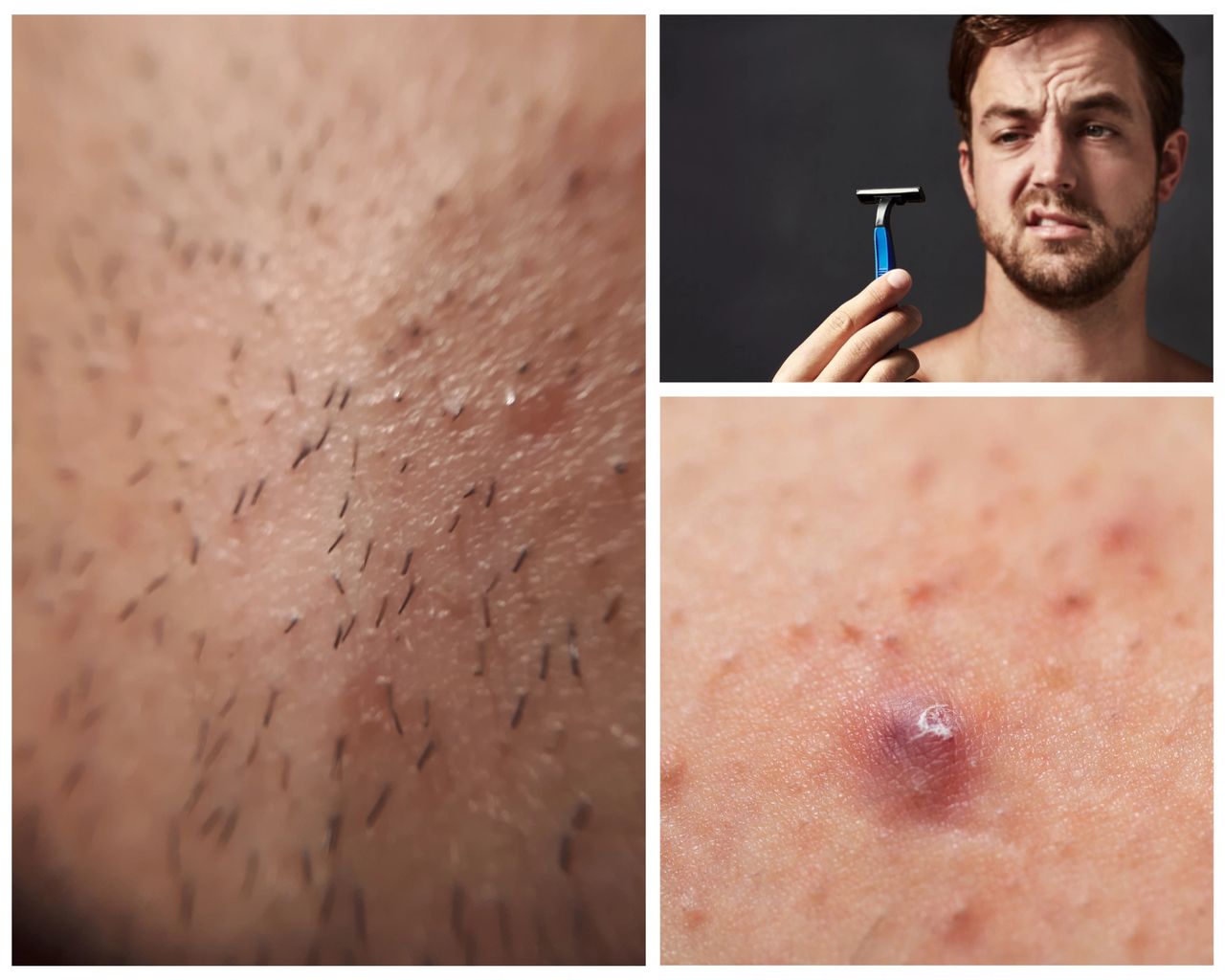
Learn the causes, treatments, and expert advice on preventing and managing ingrown hairs from Dr. Yoon Cohen and other dermatologists.
Understanding Ingrown Hairs
Ingrown hairs, known medically as pseudofolliculitis barbae, occur when hair grows back into the skin rather than outward. This typically happens after shaving, tweezing, waxing, or threading. The hair, instead of exiting the follicle and growing in a straight line, curls back into the skin, triggering an inflammatory response. The immune system recognizes the inward-growing hair as a foreign object, which leads to irritation, redness, and painful bumps.
Ingrown hairs can appear on almost any part of the body where hair removal takes place, including the face, neck, underarms, legs, bikini line, and even the pubic area. For men, ingrown hairs are most common in the beard area, where frequent shaving can increase the risk. According to the American Academy of Dermatology (AAD), this condition is particularly prevalent in individuals with coarse, curly hair, such as men of African descent, who are up to 60% more likely to experience ingrown hairs after shaving. In some cases, the hairs may form hard lumps or cysts, further complicating the situation .
Moreover, the Mayo Clinic notes that ingrown hairs can lead to more severe skin complications if left untreated, such as folliculitis (an infection of the hair follicle), hyperpigmentation (dark spots), and scarring . Understanding the underlying mechanisms of how ingrown hairs form is essential for both preventing and treating the condition effectively.
Causes and Risk Factors
The primary cause of ingrown hairs is improper hair removal techniques, particularly shaving. When you shave too closely, especially against the grain of the hair, you create sharp, pointed ends that are more likely to curl back into the skin. The AAD emphasizes that this issue is exacerbated in people with curly hair, as the natural curl pattern allows the hair to easily pierce the skin. Tight clothing and excessive friction also increase the likelihood of developing ingrown hairs, especially in areas like the bikini line, armpits, and thighs.
The Healthgrades article expands on how different hair removal methods contribute to ingrown hairs. Waxing pulls hairs out from the root, but as new hairs grow back, they may grow sideways rather than outward, leading to ingrown hair formation. Tweezing and threading, though they remove the hair at the surface, can also leave fragments of hair beneath the skin that later cause irritation.
According to the Mayo Clinic, individuals who are prone to skin irritation, have dry skin, or regularly wear tight clothing may experience more frequent ingrown hairs. In addition, clogged hair follicles, often caused by dead skin cells, trap growing hair, creating the conditions for an ingrown hair to develop . This underscores the importance of maintaining a consistent skincare routine that includes exfoliation and moisturizing, especially if you're prone to ingrown hairs.
Symptoms of Ingrown Hairs
The signs of an ingrown hair vary, but they typically manifest as small, raised bumps on the skin, which may resemble pimples. These bumps can be red or brown and are often accompanied by itching, tenderness, or discomfort. In some cases, you may see the hair trapped beneath the skin. According to Healthgrades, when an ingrown hair becomes infected, it can lead to more severe symptoms such as pus-filled cysts, hardened lumps, and significant swelling.
For those with curly hair, especially African American men, ingrown hairs can frequently develop into pseudofolliculitis barbae, a more chronic condition where multiple bumps form in the beard area. The American Academy of Dermatology emphasizes that these ingrown hairs can worsen with each shave, often leading to skin infections and even scarring if left untreated.
Severe cases of ingrown hairs, particularly those that result in cyst formation, can have long-term consequences. As noted by the Mayo Clinic, untreated ingrown hairs can cause hyperpigmentation—dark spots that remain on the skin long after the hair has healed—as well as keloid scars (thickened, raised scars) in some individuals. Therefore, it's crucial to address ingrown hairs promptly and avoid picking or scratching the affected area, which can worsen irritation or introduce bacteria that lead to infection.
In cases where ingrown hairs result in folliculitis, a doctor may recommend oral or topical antibiotics to treat the infection. Additionally, the Mayo Clinic advises that you consult with a healthcare professional if the area becomes warm to the touch, drains pus, or causes pain, as these are signs of a more serious infection.
Prevention Tips
Prevention is key to managing ingrown hairs. Dermatologists recommend the following methods to reduce the likelihood of developing ingrown hairs:
- Use Proper Shaving Techniques: Always shave in the direction of hair growth and avoid pulling the skin.
- Exfoliate Regularly: Gentle exfoliation with products containing salicylic acid or glycolic acid can remove dead skin cells, helping to prevent hair from becoming trapped.
- Moisturize: Applying a soothing, alcohol-free moisturizer after shaving can help reduce irritation.
- Try Laser Hair Removal: For long-term prevention, treatments like laser hair removal are highly effective in reducing hair regrowth.
Home Treatments for Ingrown Hairs
If you develop ingrown hairs, gentle home remedies can help alleviate symptoms:
- Warm Compresses: Apply a warm washcloth to the affected area to soften the skin and encourage the hair to come to the surface.
- Topical Treatments: Over-the-counter products containing benzoyl peroxide or salicylic acid can reduce inflammation and infection.
- Avoid Picking or Scratching: Touching or attempting to extract ingrown hairs can lead to further infection and scarring.
When to See a Dermatologist
For persistent or severe ingrown hairs, dermatologists can provide targeted treatments. Prescription creams, such as retinoids, help exfoliate the skin, while steroid creams reduce irritation . Laser treatments or oral antibiotics may also be necessary in cases of infection. A dermatologist can diagnose and manage recurring ingrown hairs, preventing complications like folliculitis or cysts.
Dr. Yoon Cohen’s Direct Pay Dermatology Service
Dr. Yoon Cohen, a board-certified dermatologist and pediatric dermatology subspecialist, offers a unique Direct Pay Dermatology service in Scottsdale, Arizona. With her cash-based model, patients can receive comprehensive dermatological care without the hassle of insurance restrictions. Dr. Cohen specializes in treating skin conditions like ingrown hairs with personalized treatments, ensuring optimal results for her patients. Her flat-fee approach allows patients to pay upfront for services, with the option to submit claims to their insurance providers for reimbursement.
How Dr. Yoon Cohen Can Help with Ingrown Hairs
At Dr. Yoon Cohen’s clinic, patients struggling with ingrown hairs can benefit from her expert care. Dr. Cohen offers advanced treatments like laser hair removal, prescription creams, and personalized skincare routines tailored to each individual’s needs. Whether dealing with chronic ingrown hairs or seeking preventive care, her tailored approach ensures that patients receive effective solutions to keep their skin smooth and healthy.
Conclusion
Ingrown hairs are a common but manageable condition, with a variety of treatments available to help prevent and treat them. By adopting proper hair removal techniques, regularly exfoliating, and moisturizing, you can reduce the occurrence of ingrown hairs. For those with persistent issues, seeking professional care from dermatologists like Dr. Yoon Cohen ensures effective treatment and long-term relief.
Other Useful articles found on the internet about ingrown hair:
A dermatologist's tips for ingrown hairs: skin care and shaving (firstderm.com)
How to Prevent Ingrown Hairs, According to Dermatologists | SELF
How to Prevent and Treat Ingrown Hairs: Expert Advice (wellaholic.com)
DIY treatment for 5 common beard problems (aad.org)
Ingrown Hair Cyst: Definition, Causes, Symptoms, and Treatments (healthgrades.com)
Infected Ingrown Hair: Pictures, Treatment, Removal, and More (healthline.com)
Ready to see Dr. Cohen? Call us at 480-944-5096 to schedule your appointment at our Scottsdale office.