
Cystic Acne: A Guide to Causes, Symptoms, and Advanced Treatments
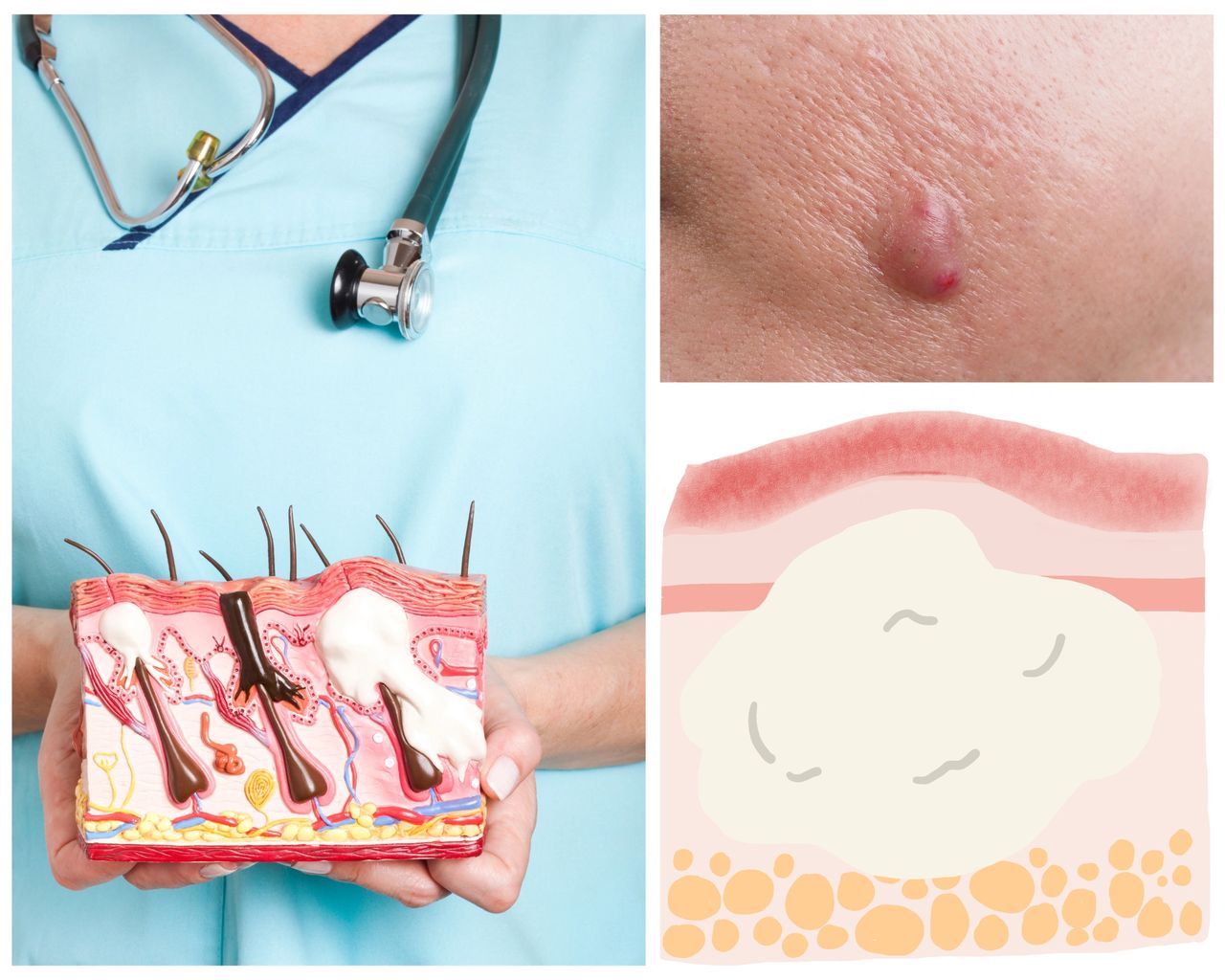
Cystic acne is a severe and painful form of acne that goes beyond the occasional pimple or breakout. It involves deep, inflamed, pus-filled cysts that form under the skin's surface and carry a risk of scarring. This comprehensive guide delves into the causes, symptoms, and the most effective treatments for managing this challenging condition.
Understanding the Causes of Cystic Acne
• Pore Blockage: The process begins with excess oil and dead skin cells blocking the pores, creating an environment for bacteria to thrive.
• Bacterial Infection: Trapped bacteria in the pores can lead to a significant infection, causing the skin to swell within the dermis layer.
• Genetics and Hormones: Hormonal fluctuations and genetic predispositions are also key contributors to the development of cystic acne.
Recognizing the Symptoms Cystic acne symptoms are more severe than those of common acne:
• The cysts can appear as red, swollen lumps beneath the skin's surface, resembling boils.
• They are typically painful and may be tender to the touch.
• Sizes vary, with some being as small as peas and others as large as dimes.
• Advanced cases may exhibit pus-filled heads or crusty surfaces.
Advanced Treatment Options A strategic approach is necessary to treat cystic acne effectively:
• Professional Consultation: Dermatologists can provide tailored advice, often more effective than over-the-counter remedies.
• Oral Antibiotics: These are prescribed to combat bacterial growth and reduce inflammation.
• Prescription-Grade Topicals: Gels or creams containing active ingredients like azelaic acid or salicylic acid target the acne directly.
• Cortisone Injections: For immediate relief from inflammation and pain, cortisone injections are administered directly into the cysts.
• Systemic Medications: Birth control pills, spironolactone, and isotretinoin are used to manage hormonal imbalances and other underlying factors.
Prevention and Maintenance While cystic acne treatment is personalized, general preventive measures include:
• Adhering to a consistent skincare routine using gentle products.
• Managing stress levels, as stress can exacerbate acne.
• Avoiding the urge to pick or squeeze pimples, which can lead to further infection and scarring.
Advanced Surgical Interventions
• Plastic Surgery Considerations: For cystic acne on the face and neck, the expertise of a plastic surgeon may be necessary. The size and location of the cyst often determine the most appropriate surgical approach.
• Surgery and Inflammation: Surgery for cystic acne is typically approached with caution, especially when the cyst wall is actively inflamed.
• Inflammation and Timing: Surgeons usually wait for inflammation to subside before operating, as inflamed cysts can lead to complications like increased bleeding and pain. This also makes the procedure safer and more effective.
• Incision and Drainage (I&D): For inflamed cysts ready for intervention, I&D may be performed. Under local anesthesia, the cyst is incised, drained, and partially excised if necessary. The wound is then allowed to heal naturally.
• Complete Excision: For non-inflamed or recurrent cysts, complete excision, including the cyst wall, is often the chosen method. This is more likely to be performed when inflammation has subsided to minimize risks and improve outcomes.
• Scar Prevention and Care: Surgeons endeavor to minimize scarring with careful wound closure and post-operative care. Strategies for scar management, such as using silicone gels or sheets, may be recommended after surgery.
• Individual Assessment: Each surgical decision is tailored to the patient’s health, the severity of the cyst, and personal preferences. Factors like the cyst’s size, location, and patient's overall condition are considered in determining the best course of action.
The Value of a Board-Certified Dermatologist
Consulting with a board-certified dermatologist like Dr. Yoon Cohen at Skin Clinic in Scottsdale, Arizona, ensures that you receive an accurate diagnosis and the most effective treatment for cystic acne. Board-certified dermatologists have the expertise to differentiate cystic acne from other skin conditions that may have similar symptoms.
Cystic acne, with its deep, inflamed lesions, can sometimes be mistaken for other conditions such as hormonal acne, folliculitis, keratosis pilaris, or even ingrown hairs, particularly in their initial stages. Each of these conditions requires a unique approach to treatment. A board-certified dermatologist can precisely identify your specific skin issue, ensuring you receive the right care tailored to your skin's needs.
The Benefits of Direct Pay Dermatology Clinics
Direct pay dermatology clinics, like Skin Clinic, offer numerous advantages, including:
• Faster access to the doctor
• Convenient scheduling, telemedicine, and 24/7 web booking
• Longer and customized office visits
• A direct patient-provider relationship
• Affordability
Conclusion: Cystic acne requires a comprehensive management strategy that includes professional dermatological treatment and diligent self-care. Early intervention and adherence to a dermatologist-recommended treatment plan are key to preventing scarring and worsening of the condition.
Sources:
- American Academy of Dermatology (AAD) Clinical Guidelines on Acne
- Cleveland Clinic Cystic Acne Overview
- NBC News Best Cystic Acne Treatments
Ready to see Dr. Cohen? Call us at 480-944-5096 to schedule your appointment at our Scottsdale office.